

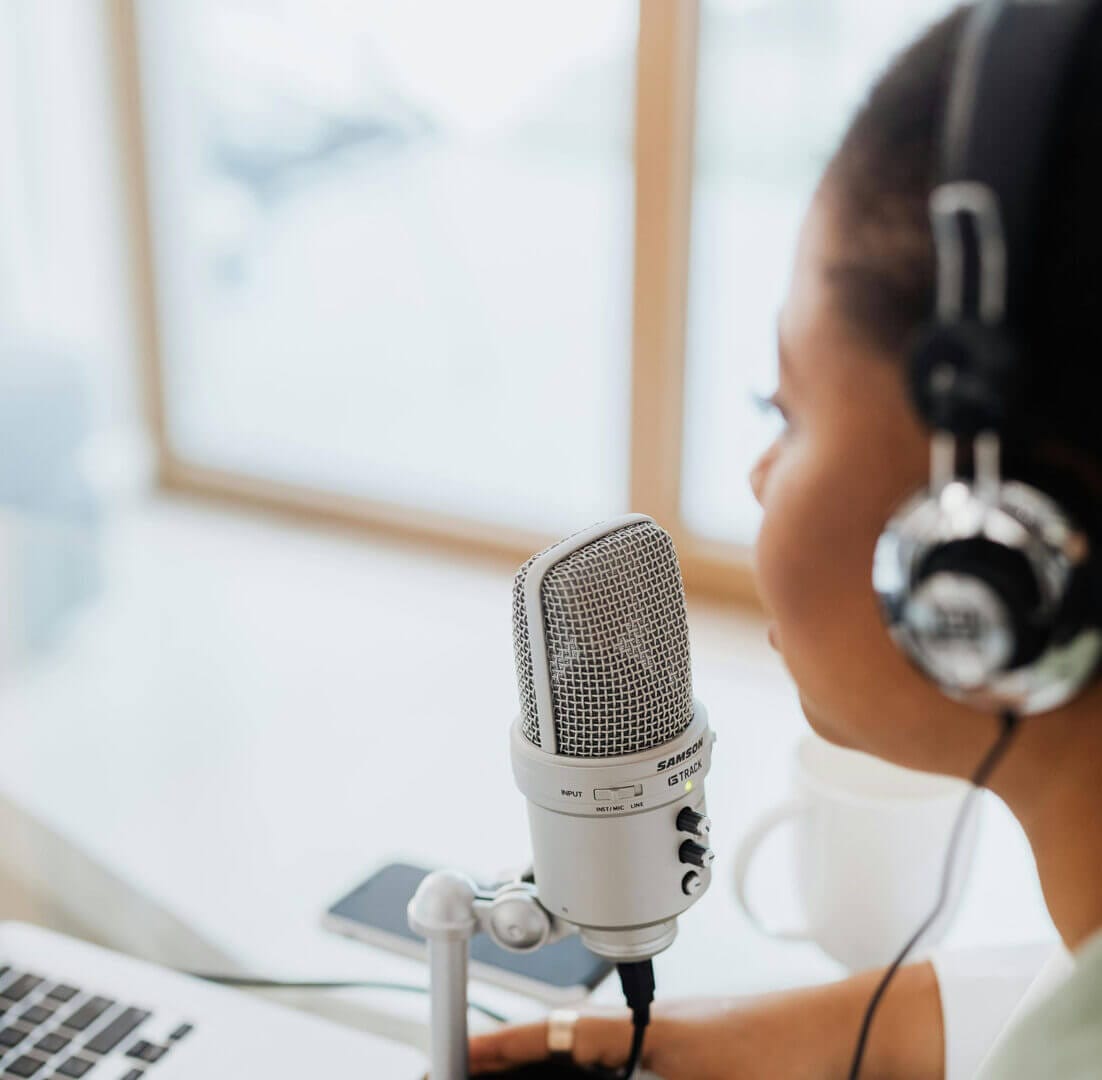
Over the past few decades, podcast streaming has become one of the most dominant media formats. People listen to podcasts at the gym, in the car, at work, while playing video games, while walking the dog—or whenever else there’s free time. Nowadays, it seems that podcasts, more than other media outlets, have given people quick and easy access to better entertainment, health advice, sports analysis, even education and news.
According to a recent Infinite Dial survey from Edison Research, about 100 million Americans listen to at least one podcast each week. The trend of growing numbers of listeners and followers will most likely continue, as they have been steadily increasing since the start of the 21st Century. Podcasts are especially popular with young people; in the survey, nearly 60% of people between 12 and 34-years-old say they listen to podcasts.
That’s not to say that other forms of media have vanished. AM/FM radio, though not what it used to be, still draws listeners. In fact, most adults who take cars for transportation (85% of the population) will still be more likely to tune into broadcast radio (about 70%) instead of podcasts (about 30%). Both can be streamed on digital devices, so people may go back and forth. But still, podcasters like Joe Rogan seem to have achieved more celebrity than entertainers on different platforms, and one of the reasons is that they post their content on radio and sites like Spotify and YouTube.
Other platforms are struggling in the digital age. Late-night talks shows, for example, once an iconic staple in American culture, are now drawing notoriously low viewership. Before social media and online streaming services, The Tonight Show Starring Johnny Carson could get tens of millions of viewers each night. But now, hosts like Jimmy Fallon, Jimmy Kimmel, and Stephen Colbert (whose show will now soon be canceled) have trouble competing with YouTube and TikTok, which post clips from their shows the day after they air on network TV.
In short, late-night can’t keep up with today’s digital community and, at the same time, cover their high production costs. Conversely, entertainers who operate on independent mediums—namely, podcasting—incur much less financial burden. Without the need to maintain large studios, hire large crews, and pay union fees, the podcaster can profit directly from each episode. It would be wise for the retailer to advertise their product on a podcast, or sponsor one, rather than work on another platform, because podcasts are simply more popular and conducive to new talents and points of view.
Take the Joe Rogan Experience, for example. The most popular podcast nation- and worldwide, each episode, mainly an interview, runs between 2-4 hours long and provides listeners with more content from their favorite guests, or intrigues them with a new one. Whereas with late-night, segments typically run only 10-15 minutes between commercials, so the guest barely has enough time to plug his product. This rigid timing makes the interview feel rushed and less conversational and relatable. But from one three-hour-long podcast episode, the guest and host have more space to fill with a quality conversation about the product, and a more in-depth look at the person making it. Most podcasts are entertainment-based, but retailers should take advantage of this new medium and thrive on the fact that podcasts are more accessible, fun to listen to, and up to date with the ever-evolving digital marketplace.

