

Alarms bells sounding the imminent demise of independent retailers at the hands of e-commerce have rung steadily for 35 years. The first dire warnings came when Internet use among the general public accelerated in the late 1990s and early 2000s.
As large chains began to establish an online presence and new sellers like Amazon entered the virtual sales world at the dawn of the 21st Century, experts and analysts foresaw a grim future for brick-and-mortar retail. This thinking increased as websites became more user-friendly and more people gained access to the web.
While it’s true that retailers have shut their doors as a result of online markets, main street establishments persist, and there are numerous independent business owners who have not only weathered the storm but thrived.
There are numerous factors that can give retailers with physical locations advantages over e-commerce. A big reason is the large segment of shoppers who will always prefer in-person interactions with store owners and employees over texts and phone calls with faceless, and many times computer-generated, customer service representatives.
For instance, a salesperson who can guide shoppers through a clothing store or electronics establishment knows their product well and can give consumers recommendations and thorough explanations about products that are physically before their eyes. Unlike online shopping, store employees can demonstrate, for example, the smart technology features on an appliance or device.
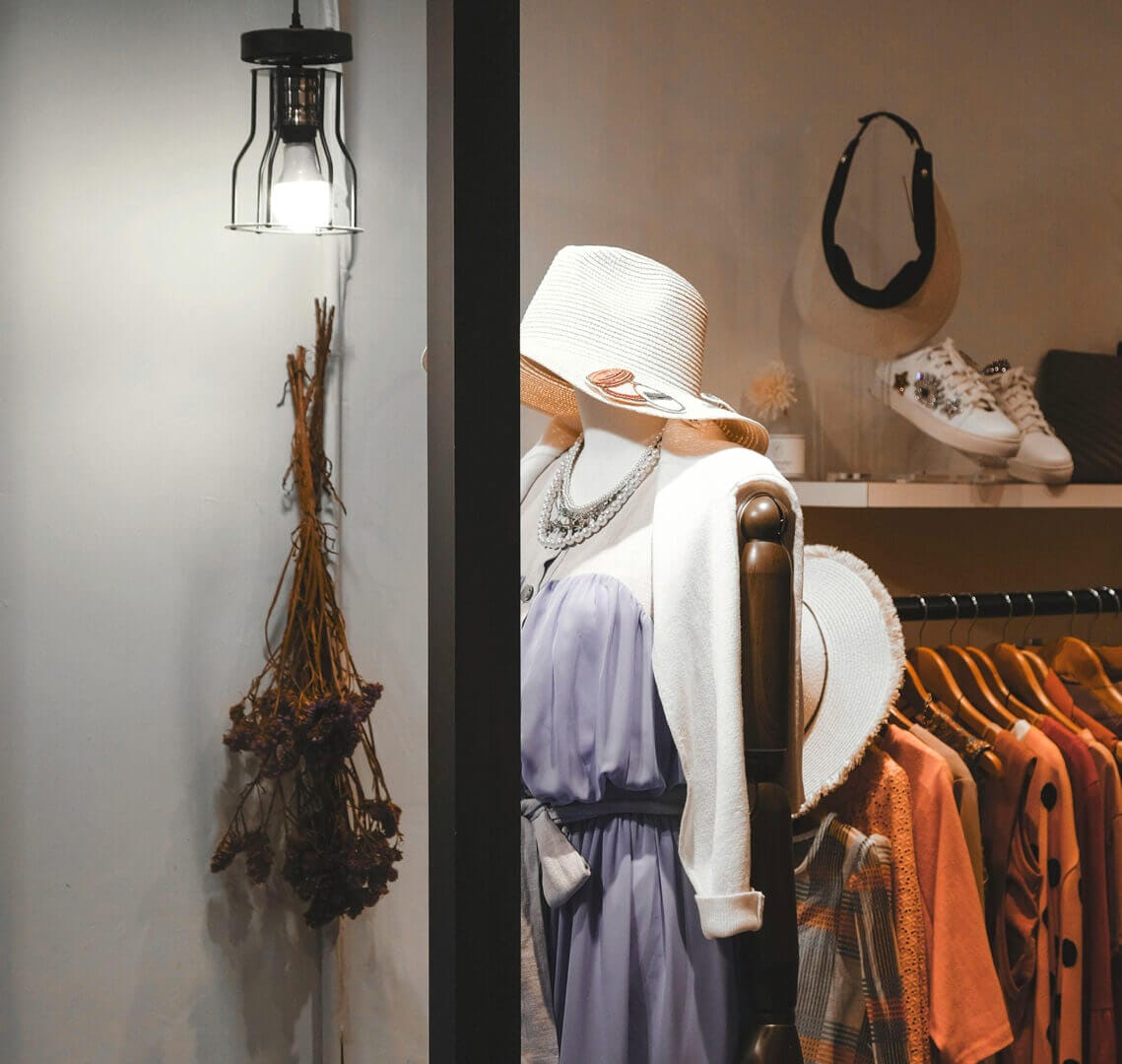
In terms of clothing, a great segment of the population favor trying on clothes in person rather than having to return an online order. A company may say its shirts run big only for the customer to order a smaller size that is three sizes too small. Guesswork, however, is not a huge factor in a dressing room.
In the same way, those purchasing furniture and other home goods appreciate the opportunity to see and feel a couch or recliner’s dimensions, texture, and quality up-close before buying.
People also won’t stop browsing independent bookstores anytime soon, and a hardware store employee’s expertise cannot be replaced by recommendations from YouTube channels or Google searches.
Then there is the trust won by independent grocers and bakers, and the irreplaceable experience of a freshly baked pie wowing the senses.
Additional options that retailers might want to consider adding to increase business include grocery stores offering drive up and go shopping and deliveries, a bookstore hosting readings, and a retailer serving as a UPS and Amazon pick-up and drop-off location.
Local retailers also benefit by directly investing in the community, such as contributing to food drives and participating in a tree planting program. These efforts instill goodwill and figuratively hit home much more than a corporate pledge on a faceless web page.
Independent retailers will continue to survive the rise of e-commerce because of what they offer beyond selling merchandise. Product expertise, personalized shopping, contributing to the community and getting to know customers personally and above all, the enduring importance of the human connection, are all reasons to be optimistic about the future of brick-and-mortar independent retail.

