

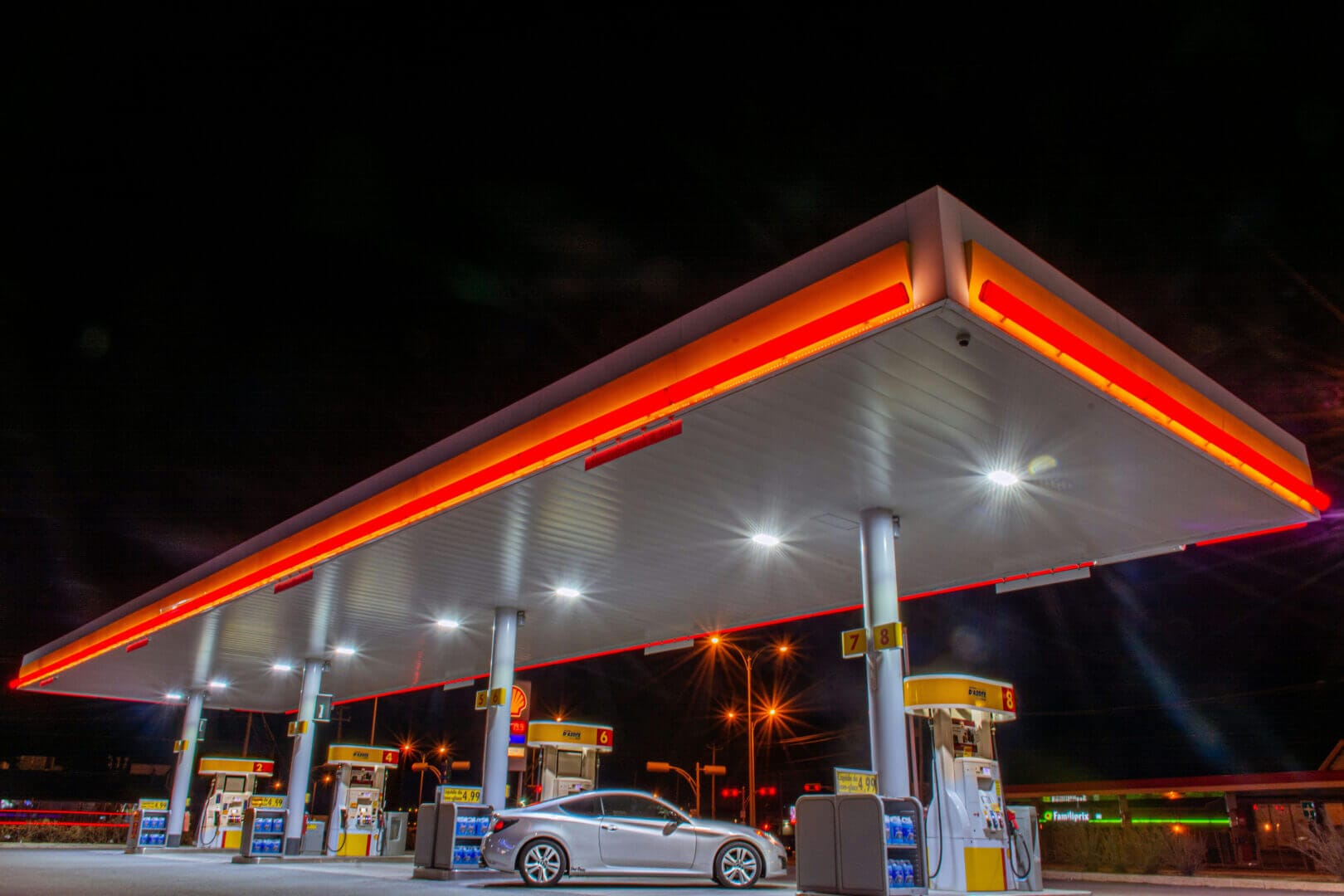
Fuel prices are climbing again, and while consumers feel it at the pump, operators feel it everywhere.
Margins tighten. Cash flow gets squeezed. And every fraction of a cent starts to matter more than ever.
For gas station and convenience store owners, the real challenge isn’t just higher fuel costs. It’s maintaining profitability in an environment where pricing flexibility is limited and expenses keep rising.
Let’s break down what’s happening and what smart operators are doing about it.
The Reality: Higher Prices, Tighter Margins
When fuel prices increase, many assume operators make more money. In reality, the opposite is often true.
Fuel margins remain razor thin, often just a few cents per gallon. At the same time, credit card fees increase because they are percentage-based, and customer price sensitivity makes it harder to pass along higher costs.
For example:
If gas rises from $3.00 to $3.50 per gallon, your margin may only increase slightly or not at all. However, your processing fees increase by roughly 17 percent on every credit transaction.
This is margin erosion happening in real time.
The Hidden Profit Killer: Credit Card Fees
One of the most overlooked impacts of rising fuel prices is how they amplify processing costs.
A 2.5 percent processing rate on $3.00 fuel equals $0.075 per gallon.
The same rate on $3.50 fuel equals $0.0875 per gallon.
That increase may seem small, but across thousands of gallons per day, it becomes significant.
Operators are not just selling more expensive fuel. They are paying more to accept the same payment method.
The Strategy Shift: Cash Discount (Dual Pricing)
To combat this, many operators are adopting cash discount programs, also known as dual pricing.
Instead of absorbing higher processing fees, operators display both cash and credit prices, pass the cost of card acceptance to credit users, and protect their margins without raising prices across the board.
This approach works because it is transparent to consumers, compliant when implemented correctly, preserves per-gallon margins, and encourages lower-cost payment methods.
Real-World Impact
Consider a site selling 100,000 gallons per month.
Without dual pricing, the operator may absorb $2,500 to $3,000 in processing fees.
With dual pricing, most or all of that cost can be recovered.
This is not just savings. It is recovered margin that can be reinvested into store improvements, marketing, competitive pricing, or overall profitability.
More Than Just Fuel: In-Store Benefits
Cash discount programs also improve performance inside the store.
They help offset high processing costs on merchandise, improve overall store profitability, and create consistency between pump and in-store pricing strategies.
Staying Competitive Without Losing Margin
A common concern among operators is that raising prices will drive customers away.
Dual pricing addresses this by offering flexibility. Operators can keep cash prices competitive while maintaining margin on credit transactions, allowing customers to choose how they want to pay.
The Bottom Line
Rising fuel prices are not just a pricing challenge. They are a margin challenge.
Operators who adapt their payment strategy are better positioned to remain profitable.
Cash discount programs are not about charging more. They are about keeping the margin you already earn.
Final Thought for Operators
If your fuel costs are rising but your profits are not, it may be time to look beyond the price on the sign.
Your payment strategy could be the most important lever you are not using.

